Lower Secondary Science Tuition at Science Studios
This programme is designed for Secondary 1 and Secondary 2 students who are ready to learn Science through clear explanations, hands-on experiments and structured activities. Lessons are aligned with the MOE Secondary Science syllabus while also encouraging students to explore scientific ideas beyond the syllabus.
Students learn to understand how the world around them works, ask meaningful questions, think logically and develop the confidence to investigate their own ideas. Through experiments and guided learning, we help students build a strong foundation in Science and deepen their understanding of the natural world.
Science Studios’ Curriculum for Secondary Schools (IP and High-Ability Mainstream)
Our Secondary School curriculum builds on MOE’s G3 science framework, tailored for high-ability and IP students.
Course of study:
=> Diversity (Scientific Endeavour, Physical Properties of Matter, Elements, Compounds & Mixtures, Separation Techniques)
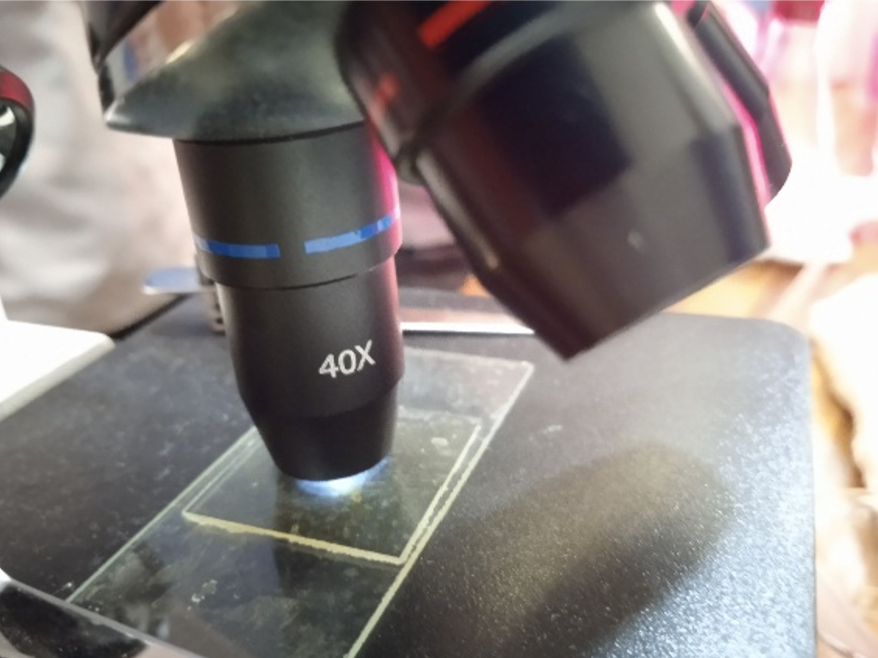
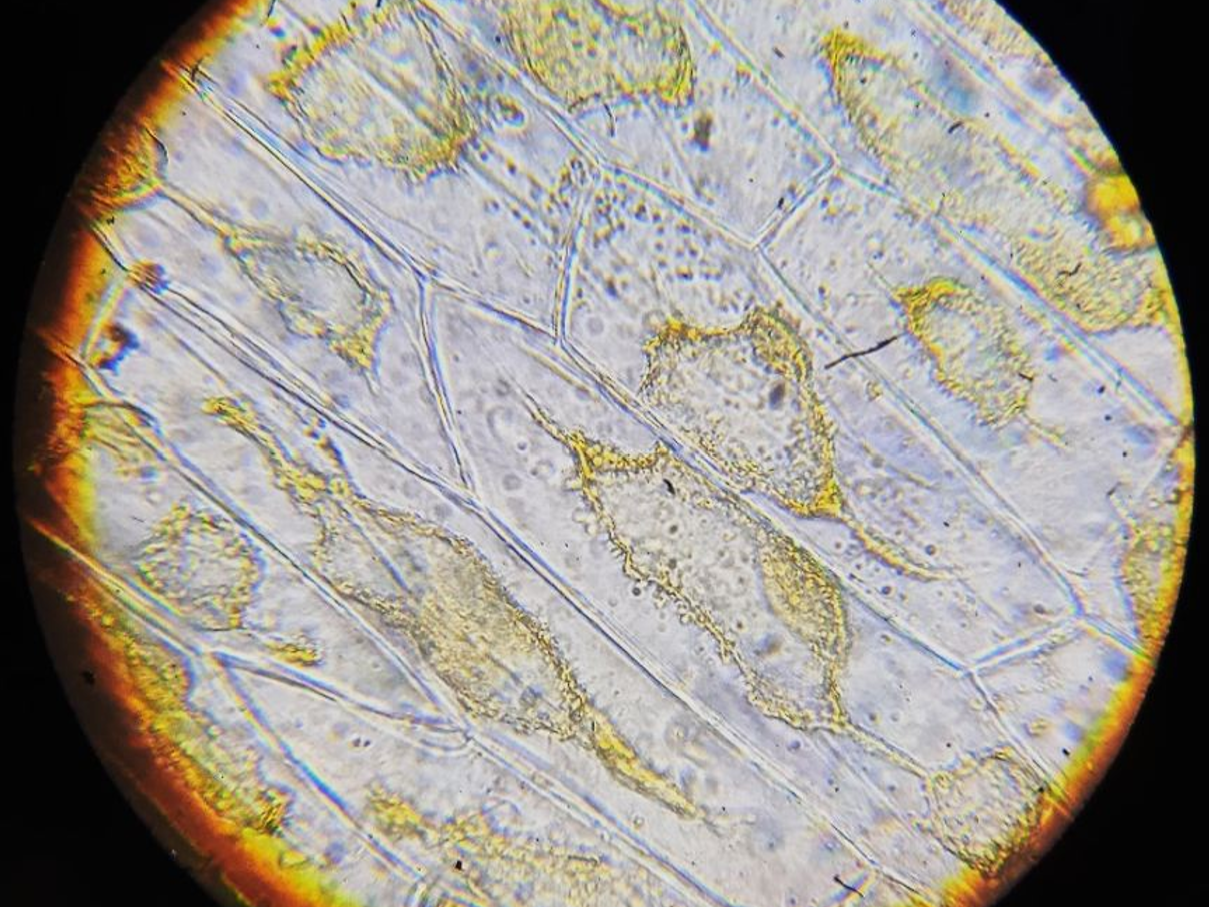
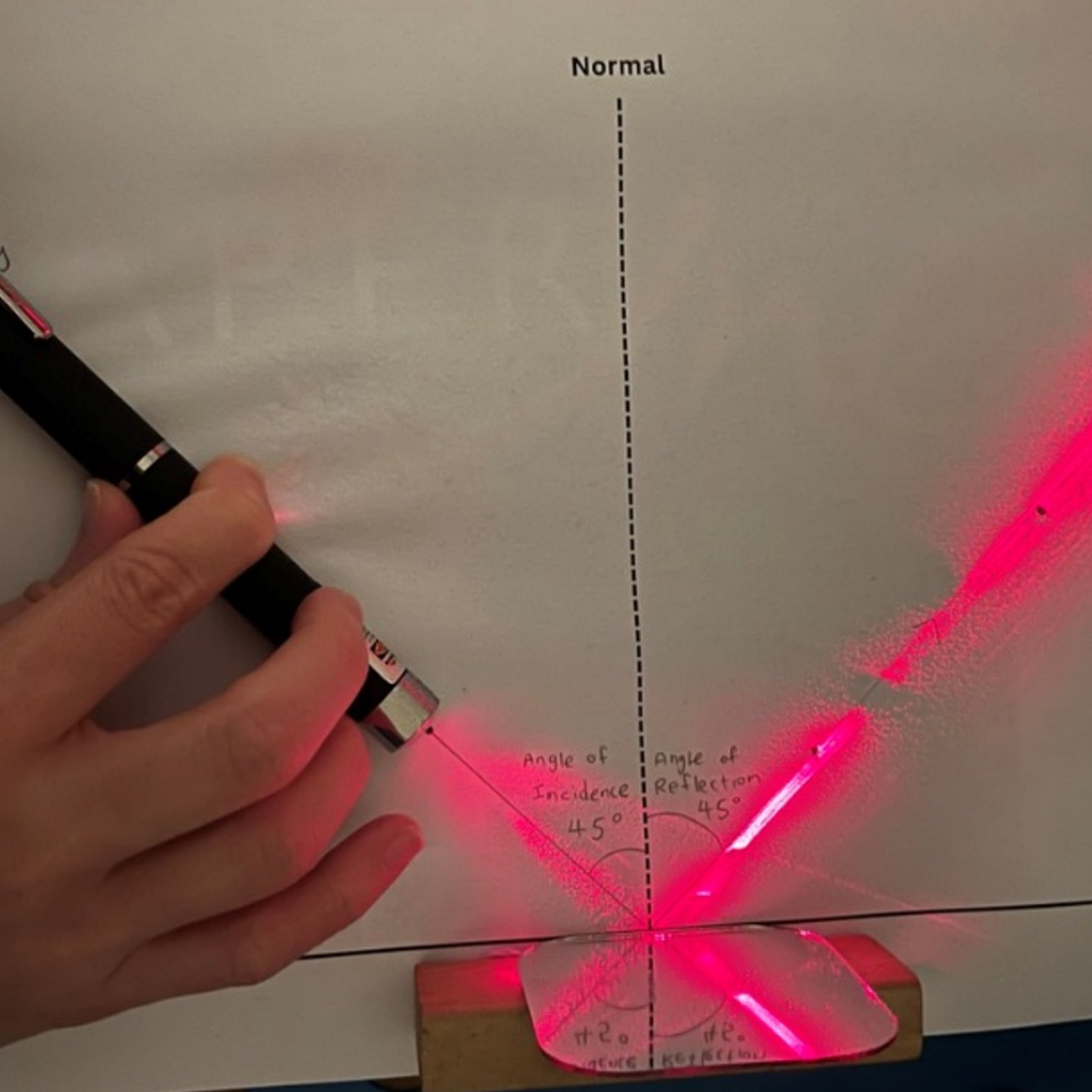
=> Models (Light, Cells, Particulate Nature of Matter, Atoms & Molecules)
=> Interactions (Forces & Energy, Heat, Chemical Changes, Ecosystems)
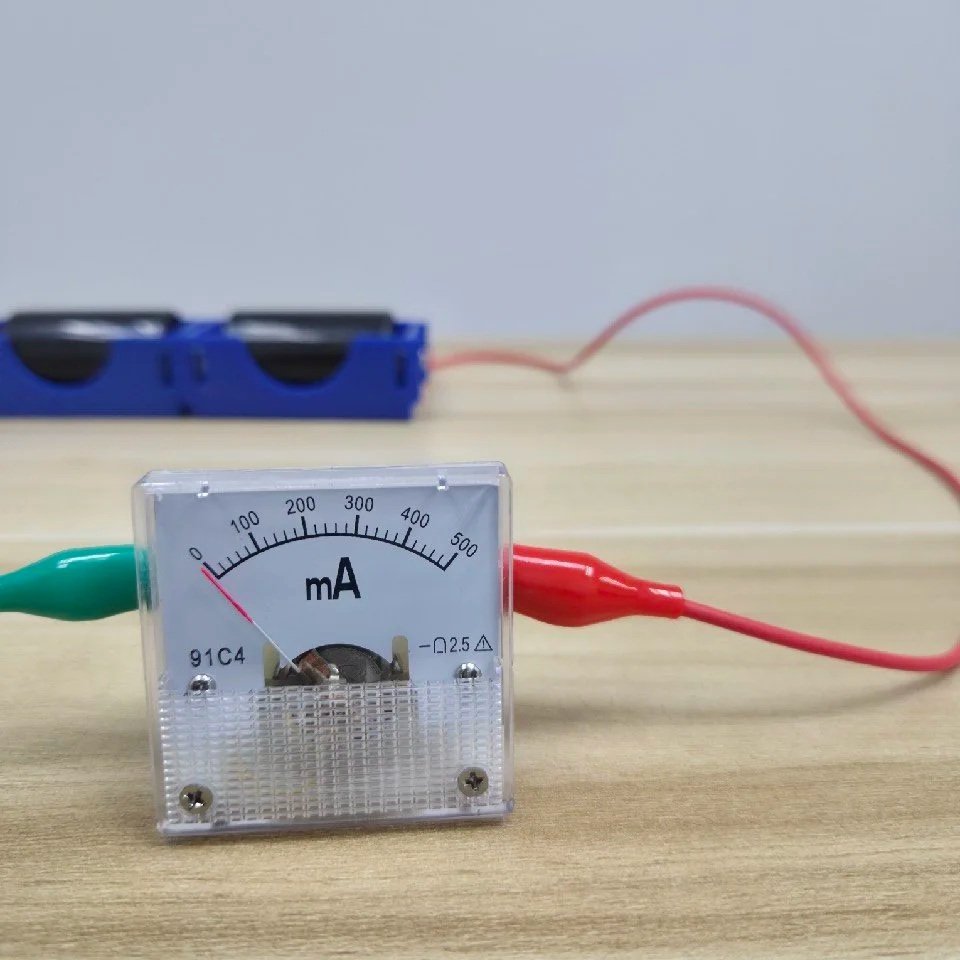
=> Systems (Electricity, Digestive System, Transport Systems in Humans & Plants, Reproductive System)
=> Reading charts and graphs | Process Skills | Stepping stones - CER Science explanation with evidence answering techniques | Keywords for different Topics and Concepts
Your child will learn to:
understand key Lower Secondary Science concepts;
design and carry out experiments
make accurate observations during experiments;
identify patterns and draw conclusions from evidence;
explain scientific ideas clearly using appropriate Science terms; and
apply scientific reasoning when answering questions.
This structure mirrors IP schools by teaching foundational concepts while also exposing students to advanced topics and their interconnections.
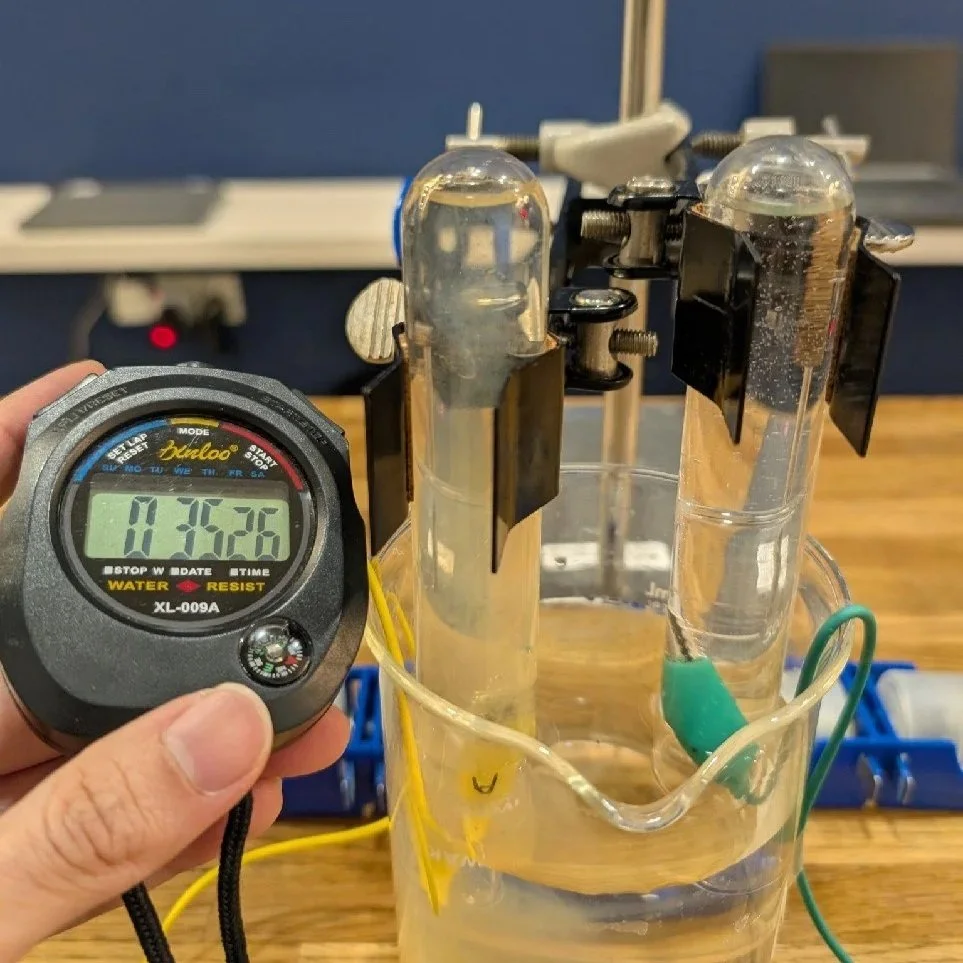
At IP schools, students conduct science projects and investigations. Science Studios classrooms, unlike typical education centres, have dedicated experiment areas. Students learn to use various tools like digital calipers and sound meters, aiding their scientific investigations. Hands-on experiments also deepen their understanding and interest in the subject.
Different IP schools may emphasise different advanced concepts. However, the foundational science concepts are the same. For example, all students will need to learn about the process of scientific investigation and how to identify the independent, dependent and controlled variables in an experiment.
Furthermore, advanced concepts aren't isolated; they're interconnected. For instance, learning about the electromagnetic spectrum at Science Studios can aid in designing indoor hydroponics. (Hydroponics is an advanced class at one of the IP schools.) Understanding advanced concepts in one topic often enhances comprehension of others. In fact, this might even help students to produce creative designs that are different from other classmates that are exposed to the same set of concepts.